One of the most common assumptions we hear is this:
Myth:
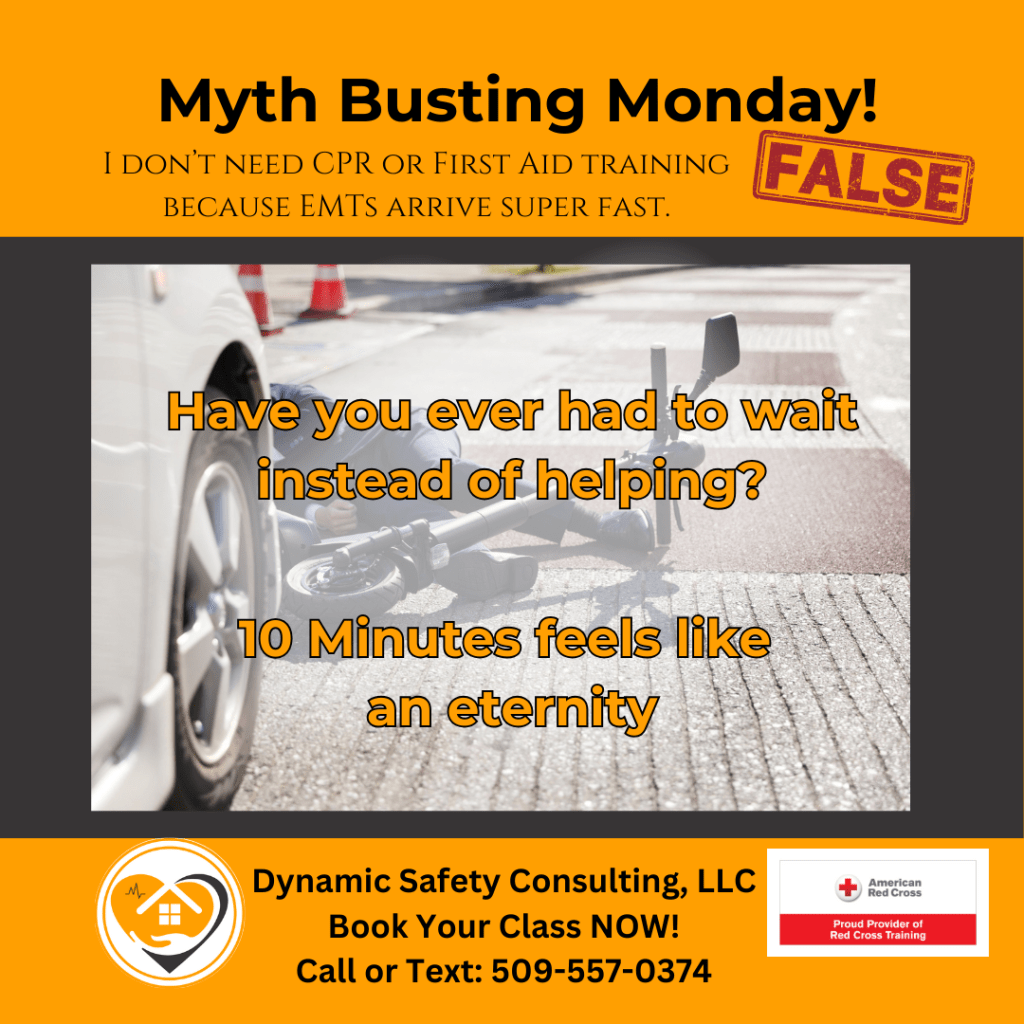
“I don’t need CPR or First Aid training because EMTs arrive super fast.”
The Truth
Even in well-resourced areas, emergency response is not immediate — and the actions taken in the first few minutes can determine the outcome long before professional help arrives.
The Reality of Emergency Response Times
In Washington, the average EMS response time is around 10 minutes.
When someone isn’t breathing or their heart has stopped, 10 minutes is an eternity.
Brain injury can begin in just a few minutes without oxygen. That means what happens before EMTs arrive matters more than most people realize.
Understanding the Scope of Our Emergency System
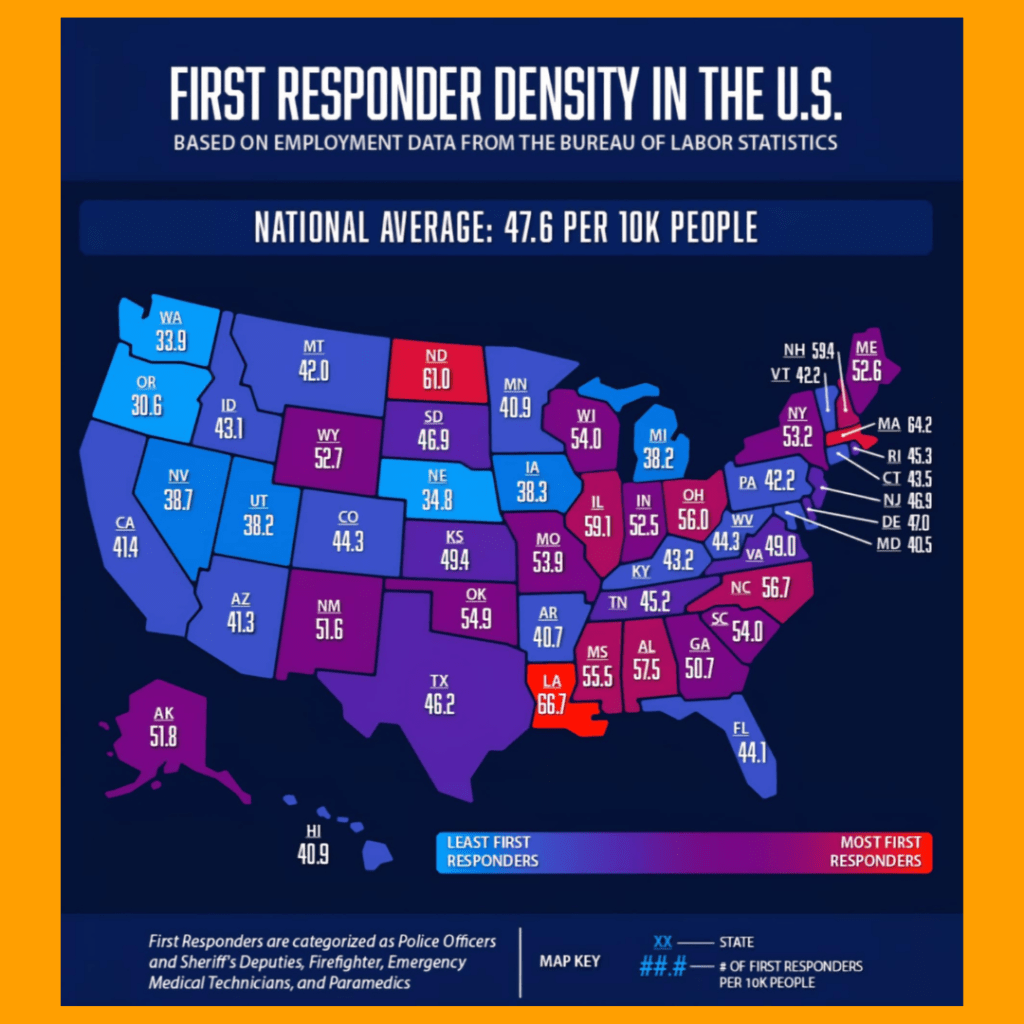
Washington State’s emergency responders work incredibly hard — and they save lives every day. But the system has real limits.
Here’s what that system is responsible for covering:
- 📍 39 counties
- 🚒 403 fire stations
- 👨⚕️ Approximately 2,900 paramedics
- 👥 Serving 8.8 million people
The math matters.
First responders:
- Can’t be everywhere at once
- Can’t teleport
- Can’t arrive instantly
That’s not a failure — it’s reality.
Why Bystanders Matter So Much
Because of these realities, bystanders are the first line of response in most emergencies.
This is why CPR, AED, and First Aid training is so critical:
- ❤️ CPR keeps oxygenated blood moving
- ❤️ First Aid stabilizes injuries
- ❤️ AEDs can restore a survivable heart rhythm
- ❤️ Early action bridges the gap until professionals take over
When care begins early, outcomes improve. When nothing happens while waiting, chances decrease.
CPR Training Isn’t About Replacing EMTs
CPR and First Aid training don’t replace emergency professionals — they support them.
When EMTs arrive to a scene where:
- CPR has already started
- An AED has been used
- Bleeding is controlled
They can move faster, work more effectively, and focus on advanced care.
Your actions don’t interfere — they help.
The Truth Is Simple
Help is coming.
But until it arrives, you are the first line of response.
Most people who perform CPR never planned to use it. They didn’t expect an emergency — they simply chose to be trained at some point, and that training mattered when it counted.
Be Ready Before Help Arrives
If you want the confidence to act in those critical moments, CPR, AED, and First Aid training provide the clarity and calm needed to step in — not perfectly, but effectively.
At Dynamic Safety Consulting, we train workplaces, families, and community groups to respond in those first minutes, before professional help arrives.
Prepared people save lives.
🚑 EMS & Emergency Preparedness Resources
If you’d like to learn more about emergency response systems, preparedness, and what happens before first responders arrive, these trusted resources offer reliable information:
- Washington State Department of Health
Information on EMS systems, public health preparedness, and emergency response.
Washington State Department of Health - U.S. Fire Administration
National data and education on emergency response and preparedness.
U.S. Fire Administration - Plan Ahead for Disasters | Ready.gov
Practical guidance for emergency planning at home, work, and in the community.
Plan Ahead for Disasters | Ready.gov - American Red Cross
Emergency preparedness resources, response education, and recovery support.
American Red Cross
🌱Be trained
Emergencies don’t wait — and response times vary. CPR, AED, and First Aid training give everyday people the ability to act during those critical first minutes.
At Dynamic Safety Consulting, we help workplaces, families, and community groups across Washington State understand what to do before first responders arrive.
Prepared people save lives.
 Dynamic Safety Consulting
Leave a comment